



Lab Director: Dr. Milena Samora
About the lab
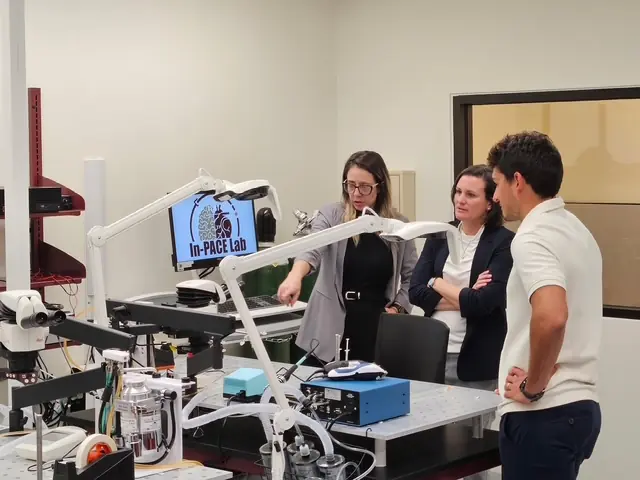
The lab was founded by Dr. Samora in 2024 and the name 'In-PACE Lab' is a combination of words referring to the concept of rhythm, conveying a sense of synchronization and movement. 'In-PACE' is also an acronym for 'Integrative Physiology and Autonomic Control in Exercise' suggesting a dynamic and innovative approach to investigate the physiological processes regulating the cardiovascular system during exercise. Dr. Samora brings a unique perspective to her research, with extensive experience in both human and animal models. Dr. Samora and her team are committed to explore the limits of science while keeping the ‘PACE’ in advancing the field.
Current research program
Type 2 diabetes mellitus (T2DM) affects more than 34 million people in the U.S., and it is associated with an increased risk of cardiovascular disease, which accounts for over half of all deaths among these patients. The In-PACE lab is dedicated to understanding why this happens. When people with T2DM face everyday stressors—such as exercise, shoveling snow, carrying grocery bags, or walking the dog—their blood pressure (BP) often rises more than it should. One major reason for this exaggerated response is a dysfunction of the arterial baroreflex. The arterial baroreflex is a key mechanism for short‑term BP regulation, maintaining BP within a normal, healthy range through rapid autonomic adjustments to the cardiovascular system. When this system does not function properly, the body’s ability to respond quickly to changes in BP is impaired. As a result, individuals may experience dizziness, orthostatic hypotension, and/or an increased risk of acute adverse cardiovascular events such as stroke or myocardial infarction. The current research program in the lab is to identify the mechanisms underlying this abnormal BP control in T2DM.
For more information about the lab contact Dr. Samora at msamora@txstate.edu.
|
|